

AI doesn't stand still. The model you test this month may answer a little differently next month. That's fine for some jobs and not for others.
So before I recommend a tool, I ask how much variation the work can tolerate, how consistent the answers need to be, what data it will touch, how secure it has to be, and what happens when it gets something wrong. The answers point to different setups. If you're just getting started, Where a Small Business Should Start With AI is the place to begin.
The scenarios below are hypothetical examples illustrating our approach. They do not describe client engagements or measured results.
AI changes fast. Your business needs are specific.
The right answer sits between the two, and no single AI suits everyone, so we ask before we pick.
- What are you trying to do? Your goals, and how the work gets done today.
- How much wobble is OK? We walk through real situations to see how much variation the work can truly handle.
- What happens if it's wrong? An awkward reply, a wrong invoice and a privacy leak need very different safety nets.
- Where can the data go? Who may see it, and what must stay inside the business.
- Is the newest model worth it? Whether new abilities justify the risk of switching.
- What will it cost to live with? Running costs, upkeep and future flexibility.
Three examples
A friendly assistant for the phone and website
The short version: Let the assistant handle the routine calls, and hand people the conversations that matter.
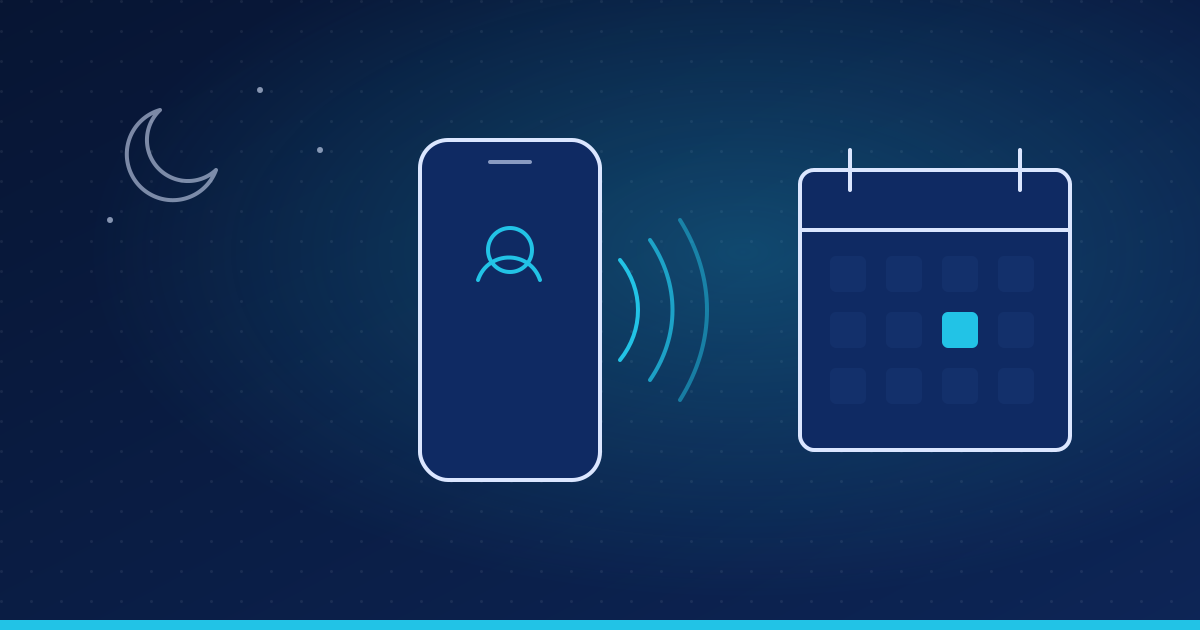
A home services company misses calls after hours and wants a phone and website assistant to answer questions, schedule visits and take messages. People ask questions every which way, and phone menus drive them mad. But a wrong price would hurt trust.
What we'd do
- Pick a strong online AI. Natural conversation matters most here, so a leading online AI that keeps improving fits.
- Give it the facts. Answers come from the company's own prices, hours and policies; bookings go through its real calendar.
- Set firm limits. It declines off-topic requests and never promises refunds or deals.
- Hand over to a person. Complaints, emergencies and tricky questions go to staff, or become a callback with a summary.
- Keep an eye on it. Weekly conversation reviews, and new AI versions tested on saved conversations before switching.
How we'd know it worked
- Anything off-topic reaches a person
- A new AI version must pass the saved tests first
The catch: Online AI changes over time and charges by use. Locking the version and re-testing keeps changes on your terms.
What the business gets: Fewer missed calls, and staff free for conversations that need a human.
Taking the typing out of paperwork
The short version: Let AI do the typing, and let people check the exceptions.
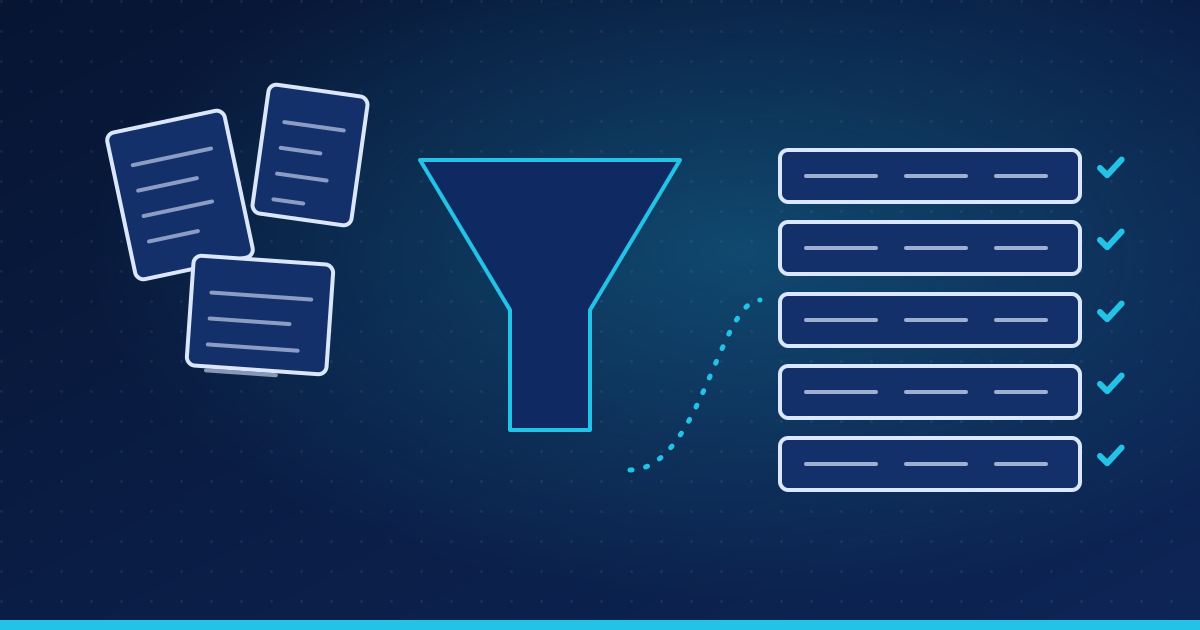
A distributor gets purchase orders by email and PDF in every format imaginable, and retyping them causes wrong shipments. Reading messy documents is a great job for AI. But prices, quantities and account details must be exactly right.
What we'd do
- Split the job in two. AI reads each document and pulls out the details; exact rules then check them against the real catalog, prices and accounts.
- Double-check the format. Everything must be in the expected shape, and totals must add up, before an order is created.
- Know when it's sure. Orders that pass every check go straight through. Anything uncertain is flagged.
- A person checks the rest. Flagged orders appear beside the original document, so staff confirm or fix them in seconds.
How we'd know it worked
- No order is created without passing the checks
- Clear limits on what can skip a person
The catch: Some manual checking stays, shrinking as the system proves itself.
What the business gets: Less retyping, fewer wrong shipments, staff focused on real exceptions.
AI for sensitive, must-be-consistent work
The short version: Keep sensitive data at home, and change the AI only when you decide to.
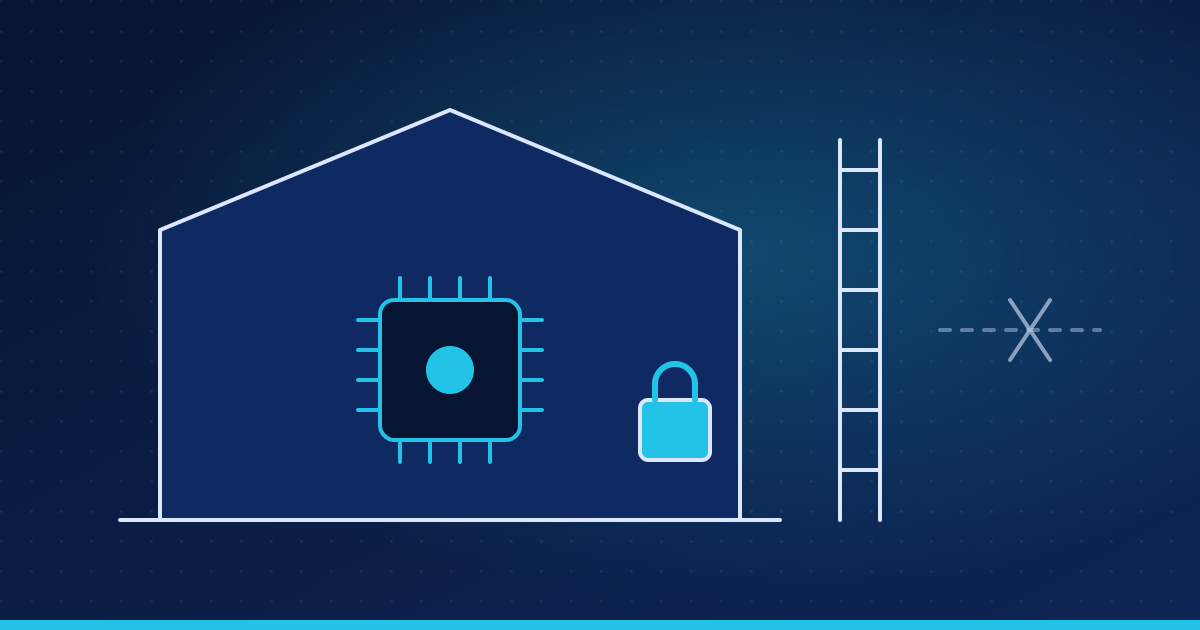
A financial firm wants AI to summarize client files and flag missing documents. Client data can't leave its own systems, and results must stay comparable over time. A public AI service breaks the firm's privacy rules, and surprise updates would make results inconsistent.
What we'd do
- Compare the options. A private AI in the firm's own cloud, one on its own equipment, or an online service with strict data terms, each tried on sample files.
- Freeze the version. The chosen AI and its settings stay fixed, changing only after testing and sign-off.
- Be honest about consistency. A private or frozen AI changes less, but still won't give word-for-word identical answers. Checks and human sign-off stay.
How we'd know it worked
- Client data stays in approved systems
- Results on a fixed set of test files stay within agreed limits
- Every change has a sign-off and a way back
The catch: Private AI gives more control but needs upkeep, may lag the newest online abilities, and updates slowly on purpose.
What the business gets: Useful AI that respects the firm's privacy rules, with changes it controls.
How we run every AI project
- Try several AI models on real tasks
- Write down the choice, its limits and what counts as good enough
- Test reliability and consistency before going live
- Watch for problems and surprises after launch
- Keep versions, a way back and human oversight
- Leave room to switch to better AI later
- Agree who is responsible and how changes are made
The short of it
The goal isn't the newest AI. It's AI your business can trust, afford and change on its own terms.
However the work starts, we prefer a clearly scoped project: defined deliverables, a practical budget, documentation and a proper handover, so your team can run what we build without needing us.
This is the thinking behind PreciseMP's AI & Intelligent Automation service.
Related reading: Siri Is Becoming the Chief of Staff for the Connected World.