


Security spending should follow the actual risk. I start with what the business would lose, what its regulations and contracts require, how long its data has to be kept and in how many versions, and what a recovery would really take. Then I look at the total cost of protecting it.
Cyber insurance can help with the financial side of an incident. It complements technical controls rather than replacing them. And the basics come first: the right access for each person, care over who gets access in the first place, procedures people follow, and documentation someone else could pick up.
The scenarios and figures below are hypothetical examples illustrating our approach. They do not describe client engagements or measured results.
Understand the risk. Build the right fix. Hand over the keys.
We like clear projects, ideally at a fixed price, with a written list of deliverables, a clear finish line and a proper handover. The aim: you don't need us afterwards.
- You decide. We explain risks and costs plainly; you choose.
- Spend in proportion. Protection that matches what's at stake, not one-size-fits-all rules.
- Clear ownership. Named owners, written steps and an agreed finish line.
- Pass on the know-how. Notes and training so your own people can run what we build.
Three examples
Backing up what matters, for as long as it matters
The short version: Back up what matters as often as it matters, and prove you can restore it.
A professional firm backs up everything nightly and keeps it forever. Storage bills keep growing, and nobody has tested a full restore. Keeping everything costs money and can add legal risk, while the files that matter most might not come back fast enough.
What we'd do
- Sort the important from the rest. Client files, financial records and email matter most. Old drafts and personal downloads don't.
- Decide how fast and how fresh. For each type: how quickly it must be back, and how much recent work could be lost.
- Back up to match. Important files several times a day, with older versions kept; everything else less often.
- Follow the rules. Keep records for as long as the law and the firm's advisers require, then delete them on schedule.
- Count the costs. Storage, software and the time to run and test restores.
How we'd know it worked
- A full restore of important data done within the agreed time
- Keep-and-delete rules written down and automatic
The catch: Deleting on schedule needs clear rules and sign-off. In return, storage stops growing and recovery becomes predictable.
What the business gets: Faster, tested recovery for what matters, and less storage and legal baggage.
Security sized to the real risk
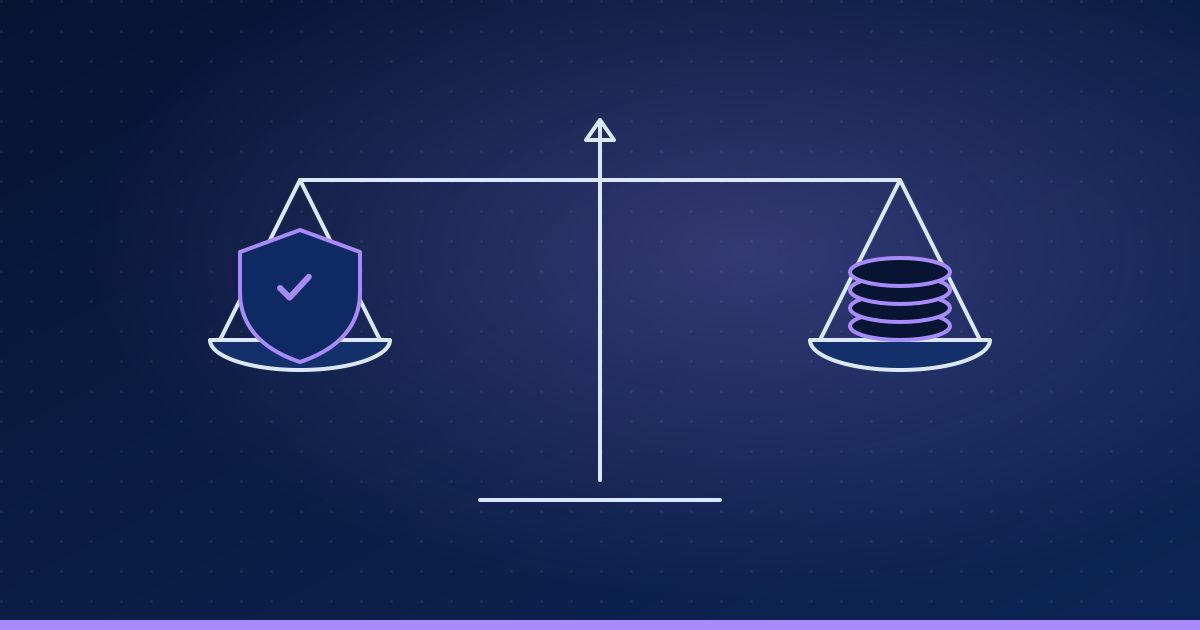
The short version: Spend on security in proportion to what you could lose.
A medical billing company of about forty people handles patient and payment details. Leadership wonders whether cyber insurance is enough on its own. Security spending followed sales pitches, not the real risks.
What we'd do
- Picture what could go wrong. Scam emails, ransomware, stolen passwords and honest mistakes, each linked to downtime, legal duties and lost clients.
- Run the numbers (hypothetical figures). Say a ransomware attack could cost $200,000 in downtime, recovery and notifications. Basic protections might cost $15,000 a year. An insurance policy might cost $5,000 a year, with a $25,000 deductible, and require those same protections before it pays.
- Right access for each role. People see only what their job needs, sign in with a second step, and access is reviewed regularly. Background checks for sensitive roles, where lawful.
- Clear procedures. Written steps for incidents, new laptops, and people joining or leaving.
- Learn from strict industries. Habits from healthcare and banking, like activity logs and split duties, where they fit.
How we'd know it worked
- Every account has a role and an owner
- The incident plan has been practiced with staff
- Protections documented the way insurers and auditors expect
The catch: Protections add some friction and cost. Nothing removes risk completely; it makes problems less likely and less damaging. Insurance helps pay, but doesn't replace the basics.
What the business gets: Security spending matched to real risk, and leaders who understand their exposure.
Getting free of IT dependence
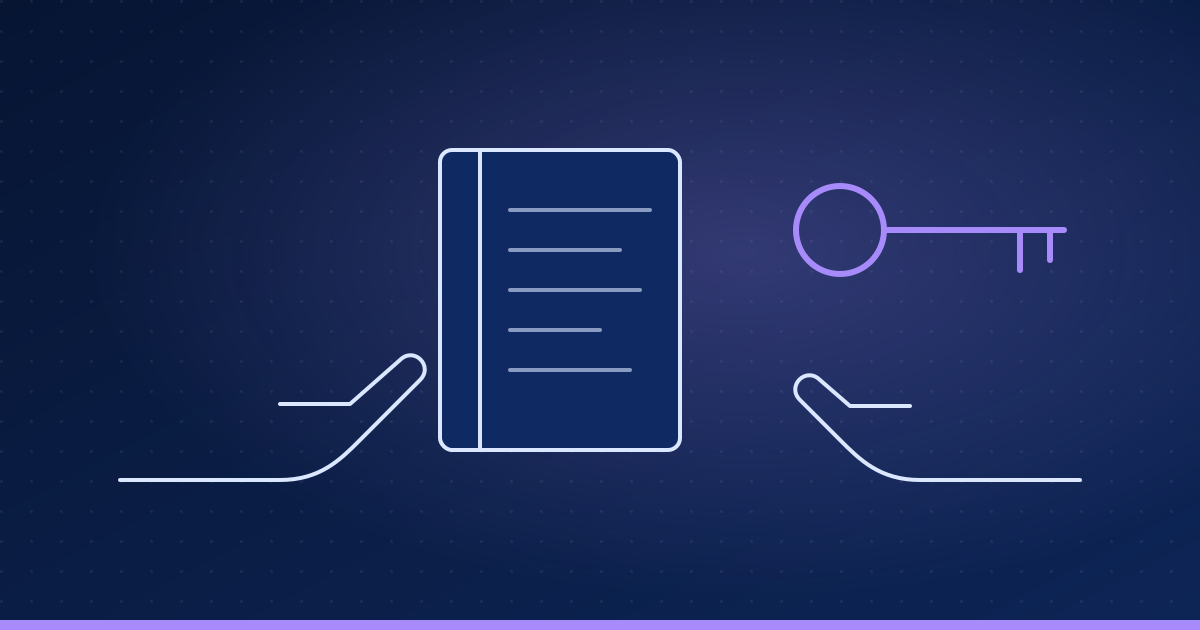
The short version: The best IT project ends with you holding the keys.
A growing company leans on several outside IT firms. Nobody inside knows how things are set up, and every small change needs a support ticket. Relying on outsiders makes changes slow, costs unpredictable and recovery uncertain.
What we'd do
- Take stock. What exists, who looks after it, and what would break if a vendor disappeared.
- Pick the biggest wins. For example, one place to manage all accounts, and backups that are proven to work.
- Agree a fixed plan. What will be delivered, the price, the timeline and how we'll know it's done, in writing.
- Build and test. Each agreed change is made, tested and recorded.
- Write it down and teach it. Settings, procedures and recovery plans documented, with hands-on training for staff.
- Prove it, then hand over. Staff do the key tasks on their own, then a structured handover and sign-off close the project.
How we'd know it worked
- Staff can restore a system and remove a leaver's access on their own
- The client has reviewed and accepted the documentation
- The project closes against the agreed plan
The catch: Training and notes take time within the project. More work can be agreed separately if genuinely needed.
What the business gets: Lower IT bills, faster changes and a team that knows its own systems.
The short of it
We'd rather leave a client confident than dependent: clear notes, trained people and a finish line met.
However the work starts, we prefer a clearly scoped project: defined deliverables, a practical budget, documentation and a proper handover, so your team can run what we build without needing us.
This is the thinking behind PreciseMP's Managed IT & Cybersecurity service.
Related reading: Before You Move to the Cloud, Know What You're Paying For and Where a Small Business Should Start With AI.