

Most technology regrets start the same way: the software was chosen before anyone understood the problem it was meant to solve. I work the other way around, and I try to leave the business owning the plan.
The scenarios below are hypothetical examples illustrating our approach. They do not describe client engagements or measured results.
Start with the business. Choose independently. Leave a plan you own.
- Business first. How the company makes money and where time is wasted, before any product names come up.
- Independent advice. Recommendations based on your needs and total cost, not on a sales pitch.
- Plain-language plans. Roadmaps leaders can read, budget for and hold people to.
- You own the result. Decisions, contracts and documentation stay with you.
Three examples
Choosing a new customer system
The short version: Choose software by how you work, not by who gave the best demo.
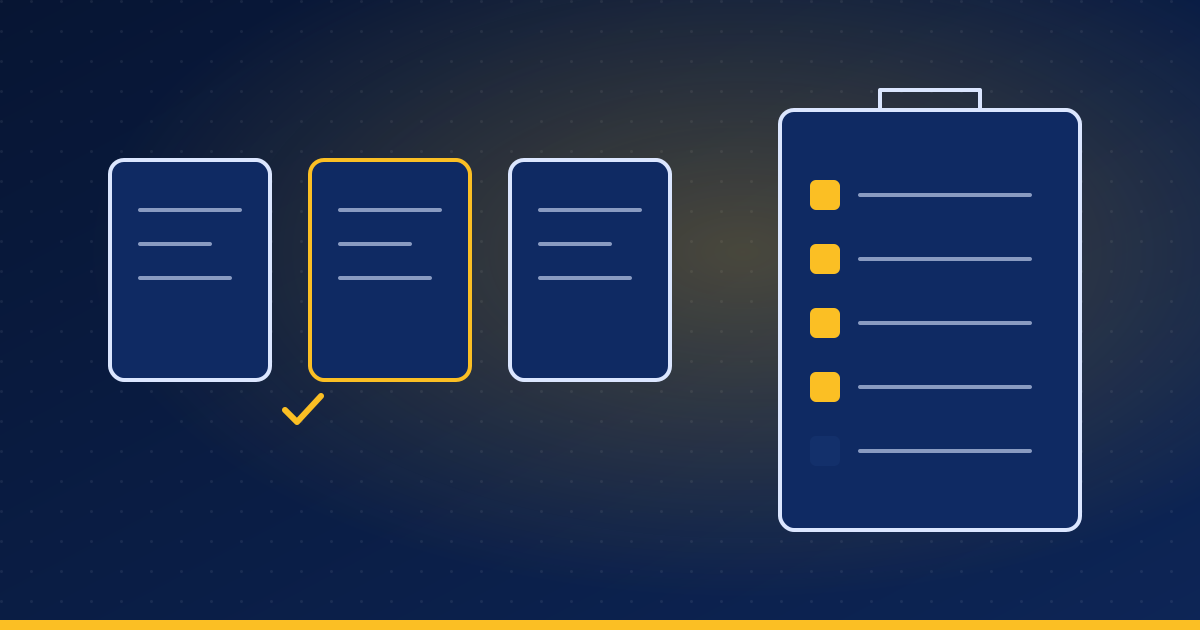
A wholesale company has outgrown spreadsheets and wants a proper customer system. Three vendors have already given impressive demos. Every demo looked great, and each was built to show off strengths, not to test the company's real work.
What we'd do
- Write down how you sell. The steps, the people and the reports leaders need, in plain language.
- Set the must-haves. Separate essentials from extras before looking at any product.
- Scripted demos with your data. Each vendor shows the same real tasks, so the comparison is fair.
- Count the full cost. Licenses, setup, training, integrations and support over several years.
- Plan the switch. Data moved, staff trained and a fallback ready for the first weeks.
How we'd know it worked
- A written comparison of the finalists against agreed must-haves
- A full multi-year cost estimate
- Staff using the new system for daily work after launch
The catch: A careful selection takes a few extra weeks. It's much cheaper than replacing the wrong system a year later.
What the business gets: A system that fits how the company works, chosen with eyes open on cost.
A part-time technology leader
The short version: Get senior judgment for the hours you need, and a plan to stand on your own.
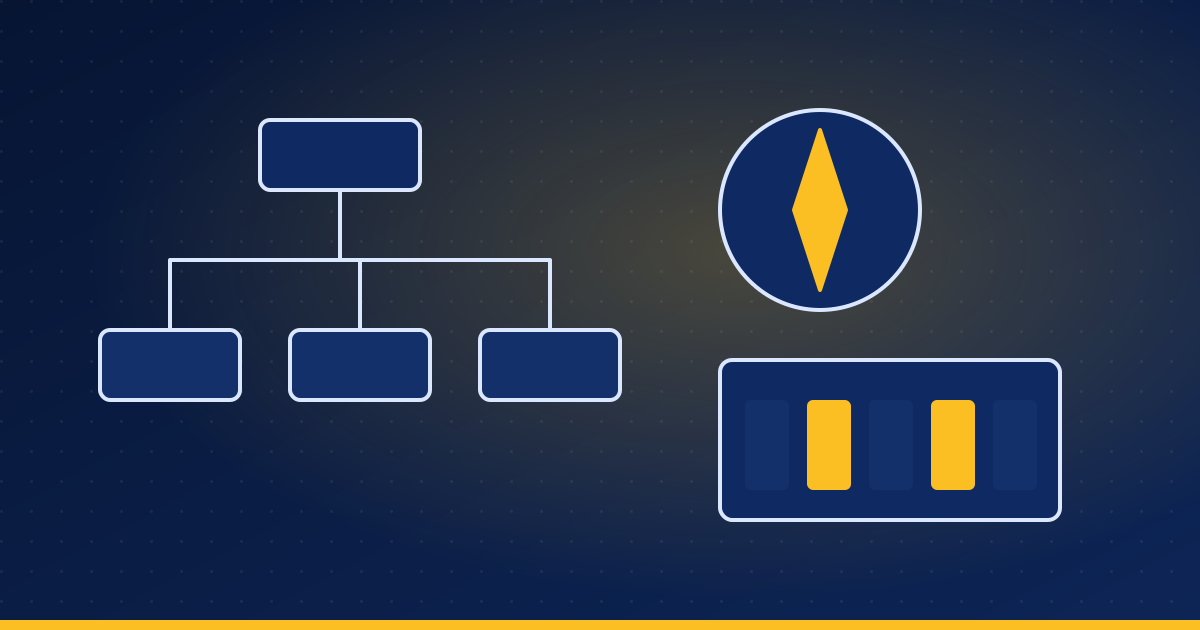
A growing company has several vendors, rising tech bills and no one senior to own technology. A full-time executive isn't affordable yet. Decisions are made piecemeal, vendors aren't held to account, and nobody sees the whole picture.
What we'd do
- Take stock. Every system, contract and cost in one place, with the risks highlighted.
- A one-year roadmap. Priorities, budget and owners, agreed with leadership.
- Manage the vendors. Clear expectations, regular reviews and contracts that serve the business.
- Plan the exit. Help hire and hand over to a full-time leader when the company is ready.
How we'd know it worked
- Leadership can see all technology costs and contracts in one place
- Roadmap reviewed every quarter
- A clear handover when a full-time leader is hired
The catch: Part-time leadership means fewer hours each week, so priorities must be sharp. That focus is often a benefit in itself.
What the business gets: Senior technology judgment at a fraction of a full-time salary, with a clear path to independence.
Fixing the process before automating it
The short version: Fix the process first. Then automate what's left.
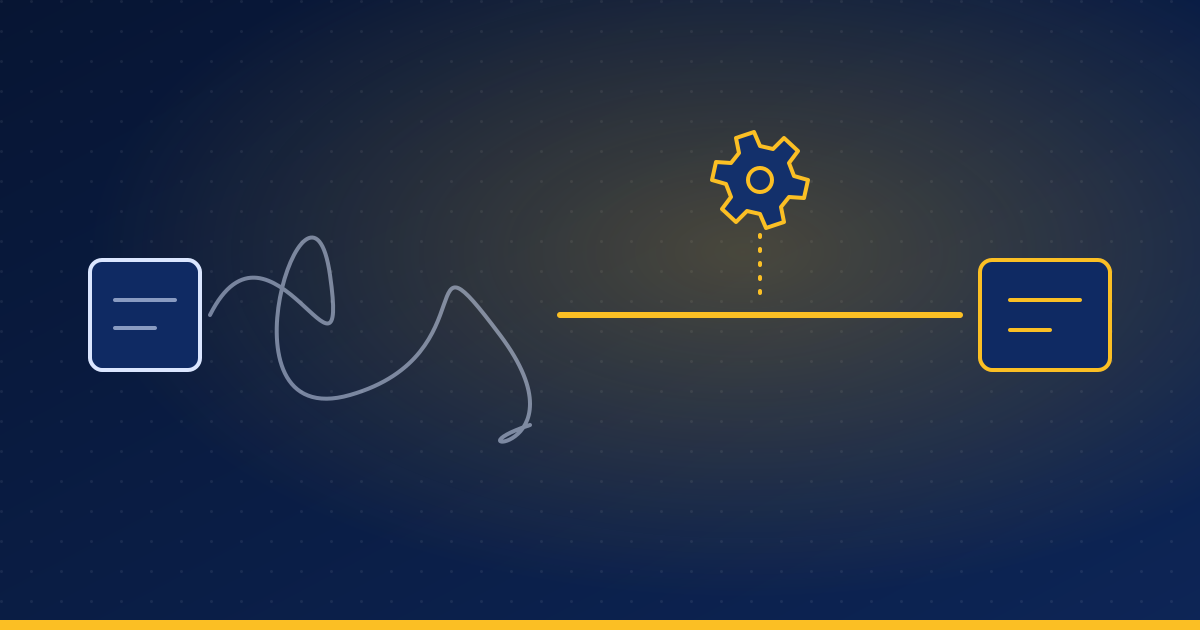
A services company takes a week to turn a signed order into an invoice. Leadership wants software to speed it up. Automating a messy process just produces mess faster.
What we'd do
- Map the process. Follow one order from signature to payment and note every handoff and delay.
- Remove the waste. Drop duplicate approvals and re-typing before buying anything.
- Then automate. Use the tools the company already owns where possible, and add new ones only where needed.
- Measure the difference. Track the time from signed order to invoice, before and after.
How we'd know it worked
- A documented process everyone agrees on
- Clear reduction in days from order to invoice
- Each new tool justified by the time it saves
The catch: Process work is less exciting than new software, and it asks people to change habits. It's where most of the gain comes from.
What the business gets: Faster cash flow and less admin, often with little or no new software.
The short of it
Good technology decisions are business decisions. We make them independently, in plain language, and leave you owning the plan.
However the work starts, we prefer a clearly scoped project: defined deliverables, a practical budget, documentation and a proper handover, so your team can run what we build without needing us.
This is the thinking behind PreciseMP's Business Technology & Consulting service.
Related reading: Build or Buy? When Custom Software Makes Sense and Buy Back a Day: Better Leads Start With Where Your Ad Runs.