

Fifteen cloud decisions, choice by choice
Fifteen made-up stories about where to host, how to move, how to stay up, how to handle busy days, and how to stop overpaying. Each one shows the choices we'd weigh and the one we'd pick.
4 min readMade-up stories, not client work
Topic 1 of 5
Cloud Hosting
Where a website or app should live, and how much of the looking-after to hand to someone else.
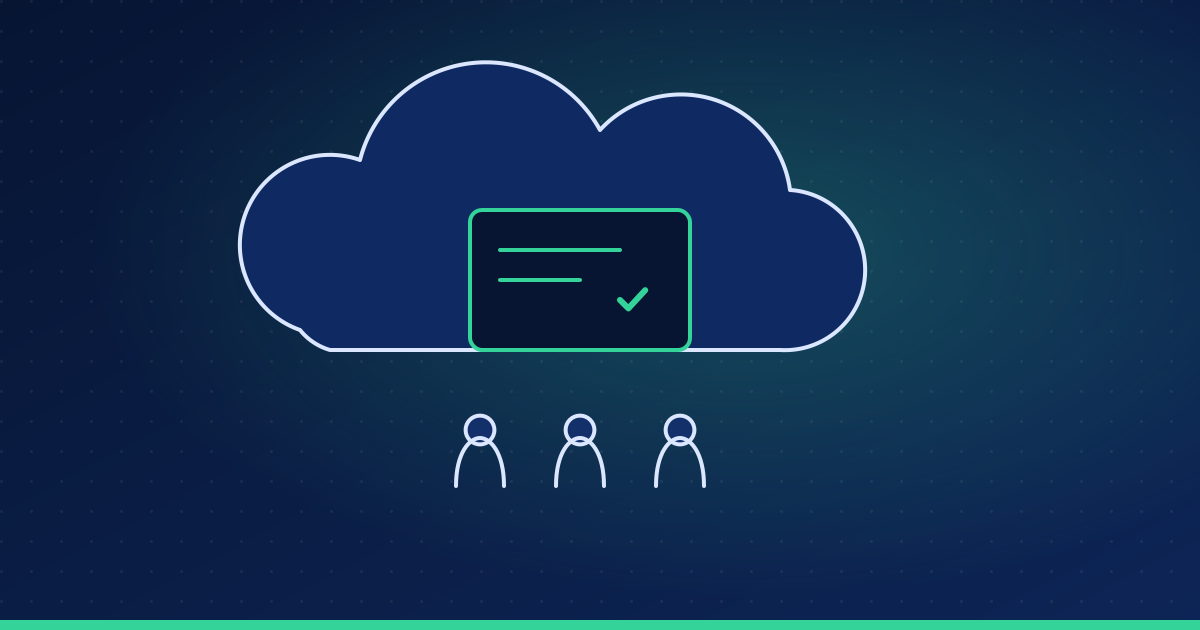
Hosting a secure client portal for a small accounting firm
A small accounting firm wants a safe place for clients to upload tax papers. Before building anything, we check whether software it already pays for can do the job.
Read the storyChoosing where to host a growing online store
A store has outgrown its first setup. We compare a bigger server, a cloud rebuild and a fully hosted store, and the real question turns out to be who keeps it safe and running.
Read the storyHosting an internal operations app for a manufacturer
A factory's scheduling app lives on an old server in a closet. We compare a new server, a straight move to the cloud, and handing the running of it to managed services.
Read the story
Topic 2 of 5
Cloud Migration
Moving off old hardware or between providers, in steps you can undo if something goes wrong.
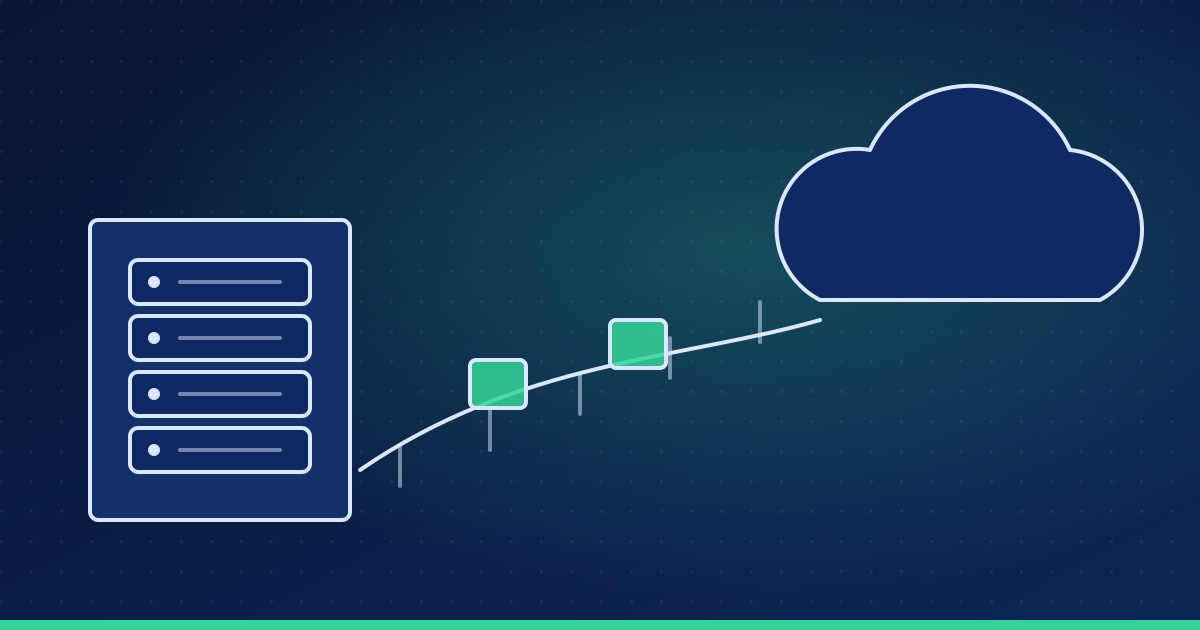
Moving a design studio off its office file server
Huge project files and an ordinary office connection make moving everything to the cloud painful. A mix of local and cloud storage keeps work fast and gets backups out of the building.
Read the storyMigrating a distributor's ERP from an aging server room
The system that runs ordering, the warehouse and accounting needs a new home. The software vendor's own hosted version, moved in careful stages, beats building it ourselves in the cloud.
Read the storyMoving a software product between cloud providers
A startup's free cloud credits are running out, and another provider is offering new ones. We count the full cost of moving, including the team's time, before recommending it.
Read the story
Topic 3 of 5
Cloud Architecture
Removing the one thing that could take you down, without adding parts nobody needs.
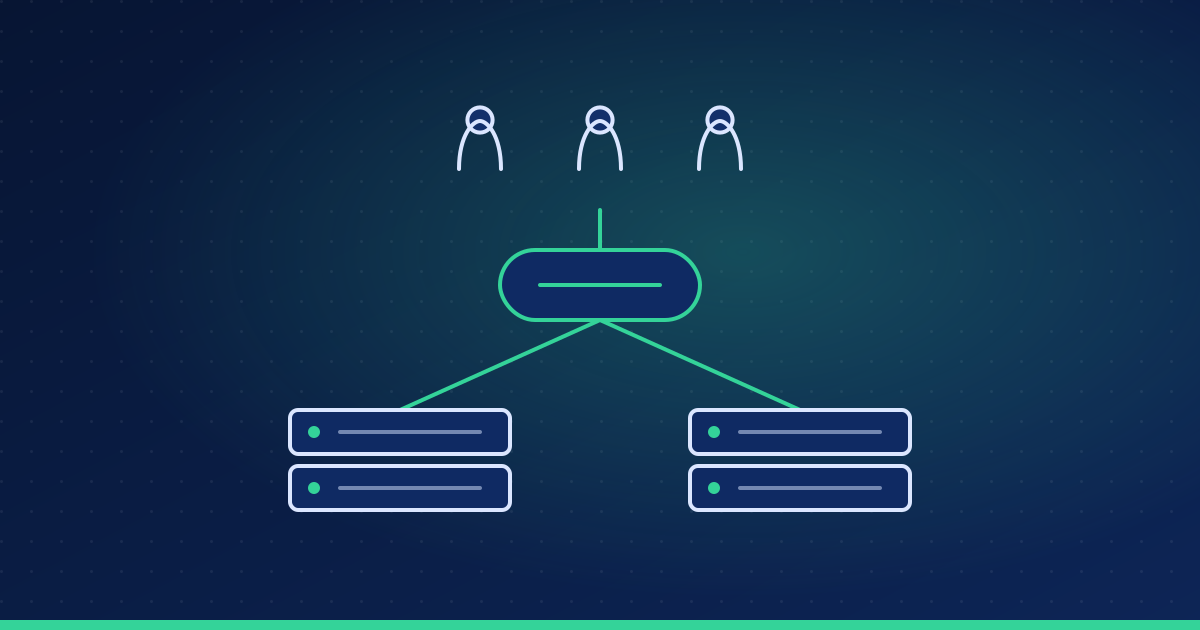
Removing the single point of failure in a young SaaS product
Everything runs on one server, and a big new customer is asking about uptime. Two app servers and a managed database fix the real risk; a full rewrite would not.
Read the storyConnecting systems for a multi-location clinic group
Appointments, billing and reminders live in separate systems. A few small, well-watched connections do the job; a real-time data platform would be far more than needed.
Read the storyShared or dedicated environments for B2B software
Bigger customers ask for a copy of the software just for them. Giving everyone one is expensive; a shared system with an optional, properly priced private tier balances both.
Read the story
Topic 4 of 5
Scalability
Handling busy days by fixing the real bottleneck, instead of paying for peak size all year.
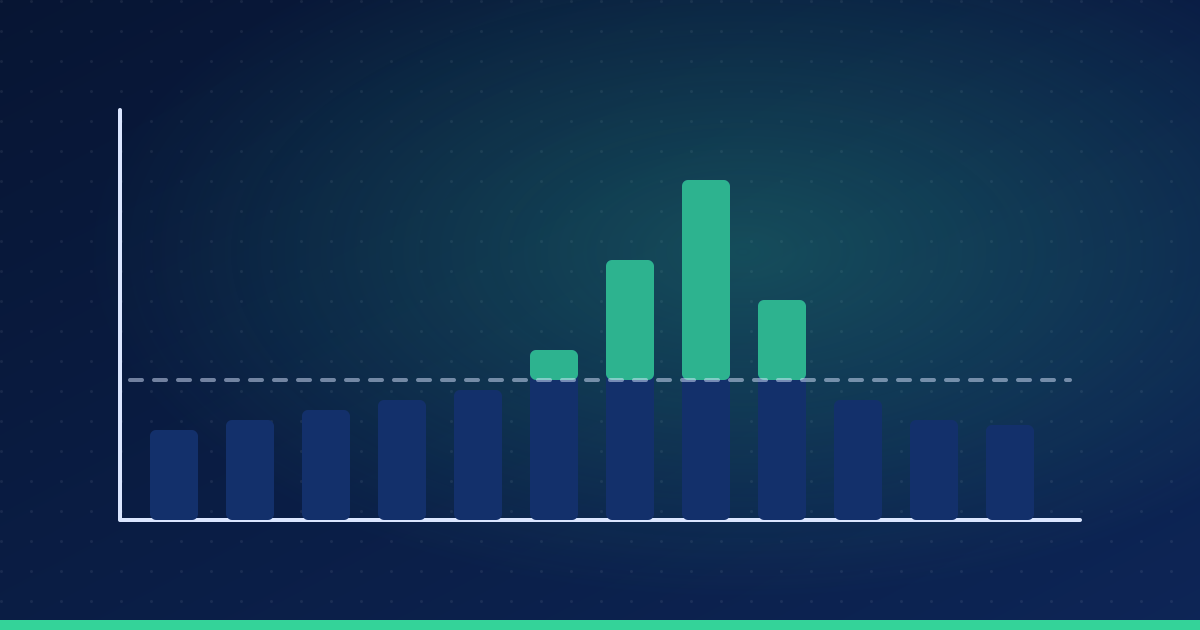
Handling holiday peaks for a seasonal retailer
A shop's website slows down in its busiest weeks. Smarter caching and servers that grow with demand handle the rush without paying for holiday capacity all year.
Read the storyTicket sale spikes for an events promoter
Huge crowds for a few minutes, then quiet for weeks. A virtual waiting line protects the site far more cheaply than building for the first five minutes of every sale.
Read the storyReports that slow down as a logistics company grows
Heavy reports slow down the system dispatchers use all day. Fixing the slowest reports and giving reports their own copy of the data come before buying a big analytics platform.
Read the story
Topic 5 of 5
Cost Optimization
Lowering the total you spend, counting people and contracts as well as the cloud bill.
Getting an oversized cloud bill under control
A software company's cloud bill grew faster than its customers. Cleaning up comes first; long-term discounts come only after, and only for the steady part.
Read the storyManaged database or self-managed: a total cost comparison
Running a database yourself looks cheaper on the invoice. Counting updates, backups and the expertise to run them usually reverses the answer.
Read the storyWhen Kubernetes costs more than it saves
A small team adopted a complex container platform for a handful of apps, and now spends much of its time running the platform. A simpler managed service can lower the total cost even if the bill barely changes.
Read the story
What all fifteen stories have in common
Understand it first. Keep it simple. Count every cost.
Every story follows the same order. The technology is the last thing we choose, not the first.
- 1
Understand it first
What the business does, who uses the system, how busy it gets, and who will look after it.
- 2
Keep it simple
Use only what the business needs. The fancy tools big tech companies use solve problems most businesses don't have.
- 3
Compare real choices
Two or three options side by side, including doing less, before picking one.
- 4
Count every cost
Not just the cloud bill: the people, contracts, upkeep and risk that come with it.
- 5
Pick what your team can run
A managed service can beat cheaper hosting that needs expensive specialists.
- 6
Grow when you need to
Room for the next step, without paying today for capacity you may never use.
A smaller bill isn't always a saving
Illustrative figures: a 10% reduction in infrastructure costs is not a real saving if managing the new setup increases labor or vendor costs by 30%.
The hosting invoice is the easiest cost to see, and often not the biggest. The people, contracts and tools it takes to keep a system updated, watched, backed up and safe usually decide whether a choice really saves money. We put them all on the same page before recommending anything.
What we count before recommending anything
- Hosting fees
- Software subscriptions
- Updates and upkeep
- Someone watching for problems
- Backups and test restores
- Security tools and reviews
- Staff time and training
- Support contracts
- The cost of complexity itself
If you liked this, read
About these stories. These stories are made up to show how we think. They are not client projects, describe no real business, and contain no measured results.
Next: Software that earns its keep: build what customers need first
Two short stories: launching something new, and fixing what already runs the business. Made-up examples of how we think, not client projects.
Read the next story