

DevOps, minus the drama: fewer surprises, steadier delivery
Three short, made-up stories about the behind-the-scenes work that keeps software running smoothly. They show how we approach it, and are not real client projects.
4 min readMade-up stories, not client work
Story 1 of 3
Releasing new versions without the late-night stress
The short version: Small, checked releases in daylight beat big, nervous ones at midnight.
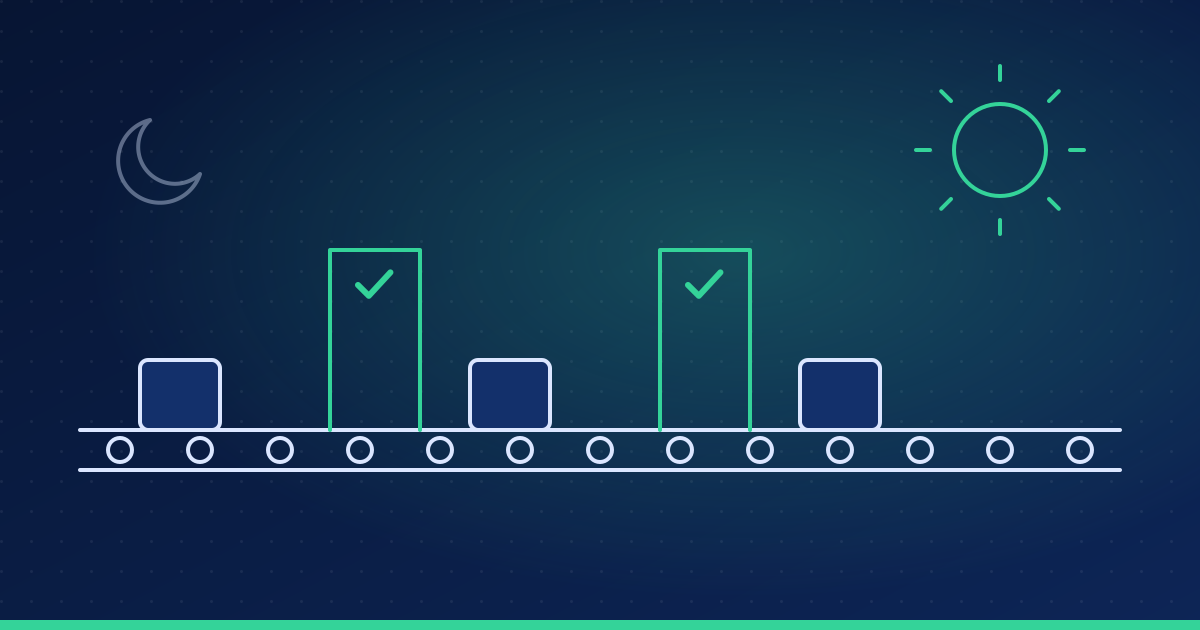
A software company updates its product by hand every few weeks, late at night. A recent release went wrong and took hours to undo.
What's going wrong
Because releases are scary, they happen rarely. Rare releases pile up more changes, which makes each one even scarier.
What we'd do
- One home for all the codeEvery change is saved in one place and checked by a second person.
- Automatic checksEach change is tested automatically, starting with what customers rely on most.
- The same steps every timeAn automated release line that always tries a test copy first, then goes live.
- A clear go-aheadA named person approves each release, during agreed hours.
- An undo buttonEvery release can be reversed in one written, practiced step.
How we'd know it worked
- Releases happen on a regular, published schedule
- Every change can be traced back to who made and approved it
- A bad release can be undone in one step
- The catch
- Setting this up slows the first few releases. After that, releasing becomes routine instead of an event.
- What the business gets
- Fewer costly mistakes, and release dates the business can plan around.
Story 2 of 3
Servers you can rebuild from a recipe
The short version: If you can't rebuild it from a written recipe, you don't really own it.
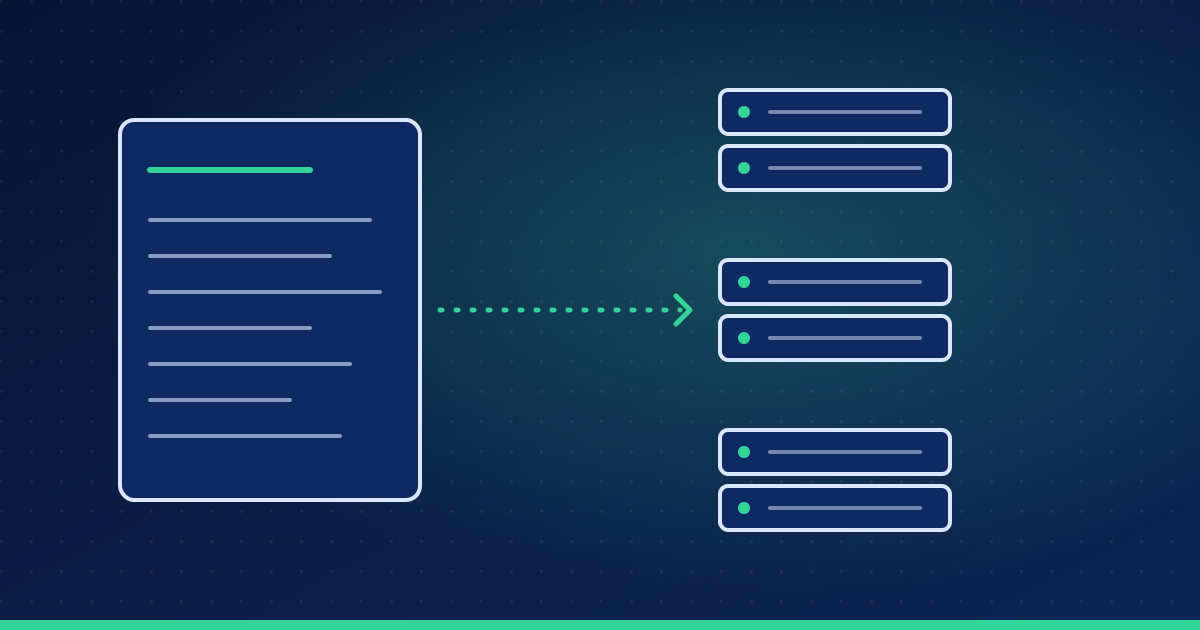
A growing company set up its cloud servers by hand over several years. Nobody is quite sure how everything is configured, and making a test copy takes days.
What's going wrong
When nobody knows exactly how something was built, every change is a gamble and the bill is hard to predict.
What we'd do
- Start with the needsHow much each application needs to handle, how reliable it must be, and the budget, before picking any tools.
- Write the setup as a recipeUsing established tools, the whole setup is written in files so it can be rebuilt identically every time. People call this infrastructure as code.
- Go in clear stagesDocument what exists, recreate it from the recipe, build a test copy, then make every change through the recipe.
- Keep notes beside the recipeSettings, reasons and change history all live in one place.
- Put a price on itEach setup gets an expected monthly cost and capacity, checked against the real bill.
How we'd know it worked
- A new copy of the setup in hours, not days
- No change made outside the recipe
- Monthly cost stays within the agreed range
- The catch
- Getting existing servers into a recipe is careful, unglamorous work, with nothing shiny to show while it happens.
- What the business gets
- Changes become predictable, copies are easy, and costs can be planned instead of discovered.
Story 3 of 3
Spotting problems before customers do
The short version: Hear about problems from your dashboard, not from your customers.
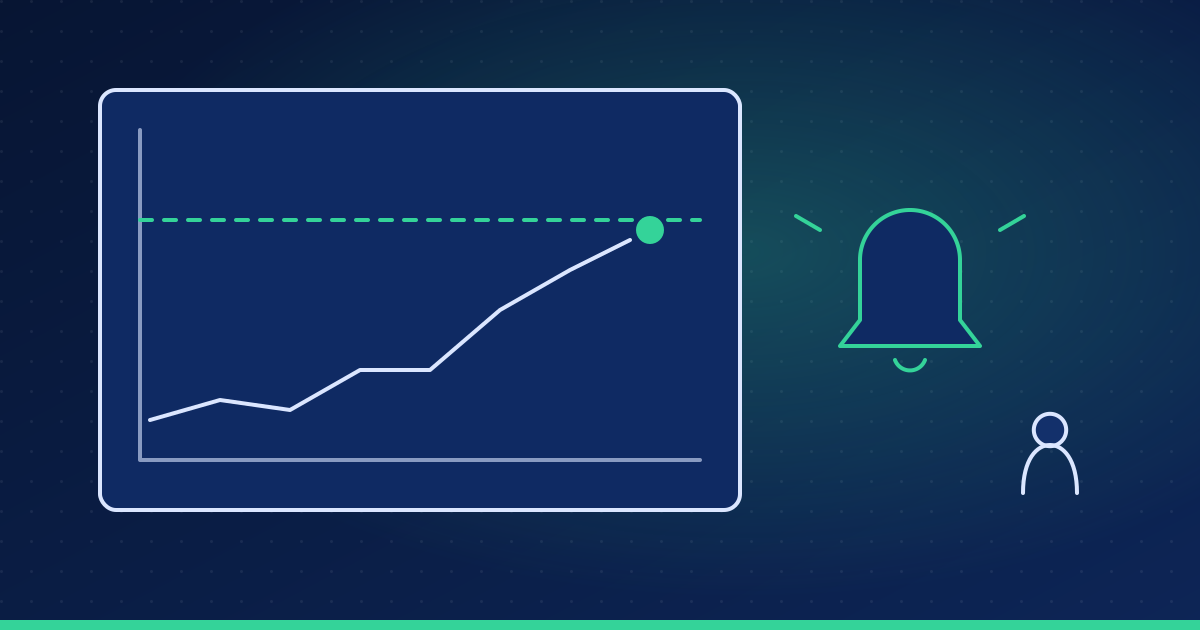
An online service usually hears about outages from upset customers, and its cloud bill keeps creeping up.
What's going wrong
Without measuring anything, nobody can tell whether to add capacity, cut it, or fix something else entirely.
What we'd do
- Measure what mattersHow busy the servers are, how fast the app responds, whether it's up, and what it costs, all on one screen.
- Sensible alarmsAlerts for things customers would notice, tuned so people trust them instead of ignoring them.
- A plan for bad daysWritten steps, a named person on call and a clear chain of who to call next.
- Rules for growing and shrinkingAgreed points where capacity is added or removed, based on steady demand, not one busy minute.
- Adjust using factsAfter a few weeks of real data, resize to what's actually needed.
How we'd know it worked
- Problems are caught before customers report them
- Every alert has an owner and a plan
- Every capacity change is backed by real measurements
- The catch
- Monitoring costs a little in tools and attention, so we start small and add only what answers a real question.
- What the business gets
- Problems found sooner, capacity that matches demand, and a bill you can explain.
What all 3 stories have in common
Lower the risk first. Then make things predictable.
DevOps is the plumbing behind software: how updates reach customers, how servers are set up and how problems get spotted. Good plumbing is boring, and that's the point.
- 1
Start with what you have
Your current setup, your people's skills, and the things that actually cause outages or delays.
- 2
Use well-known tools
Popular, well-supported tools that fit your setup, without tying you to one supplier.
- 3
Know who does what
Clear owners, steps, timelines and budgets for every change.
- 4
Write it down
Decisions, setups, release steps and how to recover when something goes wrong.
All three come down to written steps, clear goals and changes small enough to undo. That's what makes timelines, costs and capacity predictable.
If you liked this, read
About these stories. These stories are made up to show how we think. They are not client projects, describe no real business, and contain no measured results.
Next: AI that fits the job: the right tool for the risk
Three made-up stories: a phone assistant, a paperwork helper and a privacy-first setup. Not client projects.
Read the next story