

Software that earns its keep: build what customers need first
Two short stories: launching something new, and fixing what already runs the business. Made-up examples of how we think, not client projects.
4 min readMade-up stories, not client work
Story 1 of 2
Launching a new app
The short version: Find out what customers actually need before paying to build everything they might want.
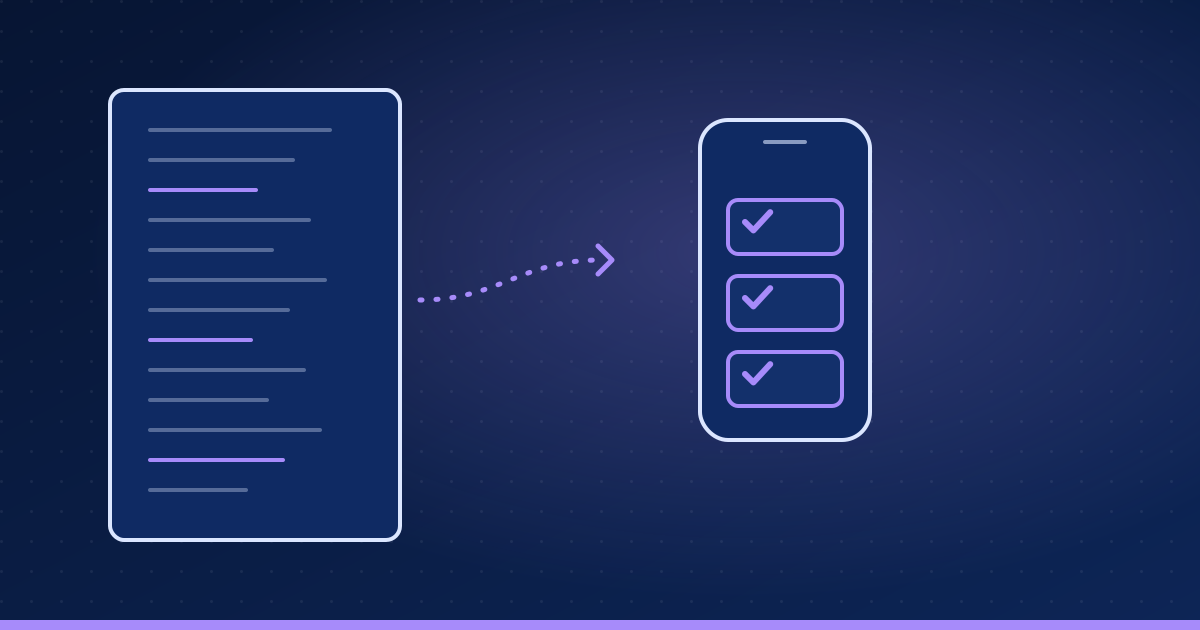
Picture a company that inspects rental properties and wants to turn its know-how into an app. The founders arrive with a wish list of over forty features.
What's going wrong
Building all of it would take most of the budget and many months, before a single customer pays. And nobody knows yet which features people will use.
What we'd do
- Listen firstWe talk to property managers and inspectors. The real headache: reports take days to reach owners, and photos go missing.
- Turn wishes into clear goalsFor example: an inspector can finish a report on a phone with no training, and the owner gets it the same day.
- Build only the essentialsA simple checklist, photos attached to each item, a version that works with no signal, and a report that's easy to share.
- Put it in real handsA few friendly property managers use it on real inspections. We watch, see where people get stuck, and ask what they think every week.
- Test choices once there's enough trafficWith more users, we can show two versions of a screen and keep the better one. Early on, a conversation teaches more.
- Polish, then launchFix what we learned, confirm people would pay, then fund the launch.
What goes in first, and what waits
Must-have
Can't launch without it
- Checklist on the phone, even offline
- Photos for each item
- A report the owner can open
Important improvement
Makes it noticeably better
- Reusable inspection templates
- Scheduling and reminders
Nice-to-have
Waits until customers ask
- Custom branding for every client
- Fancy dashboards
- Links to every property system
- The catch
- Some early customers will ask for missing things. Good: requests from paying users beat guesses from a meeting.
- What the business gets
- Money goes into what customers have shown they want, and the app reaches real people sooner.
Story 2 of 2
Improving the systems a business already runs on
The short version: Improve what matters without disrupting what already works.
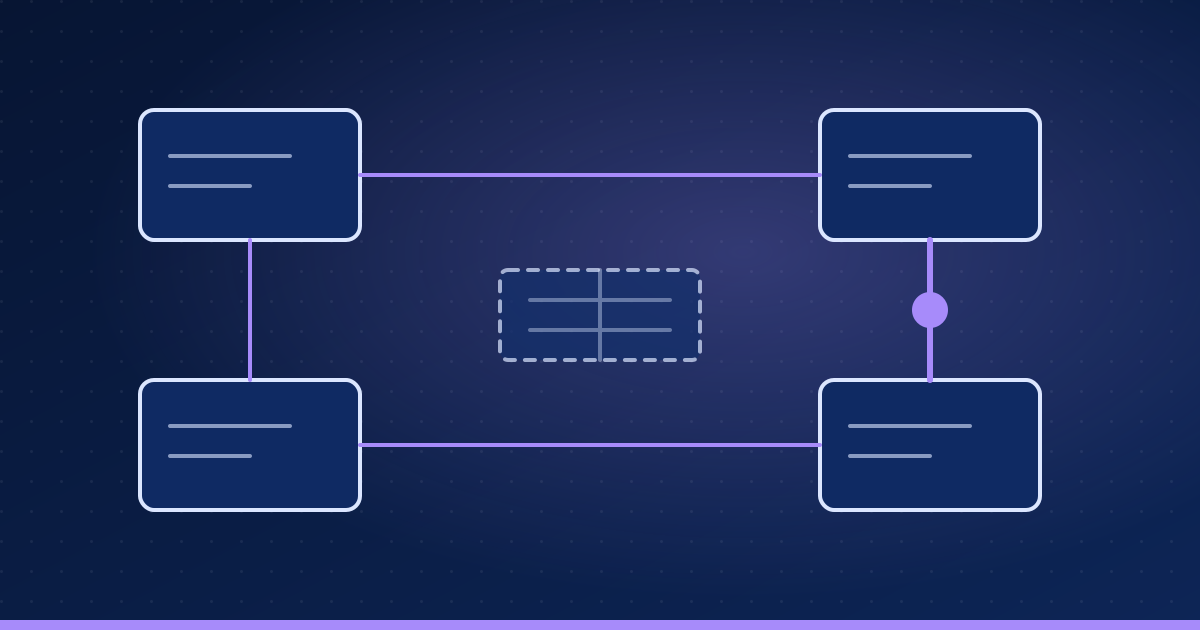
Now picture a home services company running on a customer database, a booking website, a quoting tool and links to accounting and texting. Staff patch the gaps with spreadsheets, and someone suggests starting over.
What's going wrong
The business depends on these systems every day. Starting over would risk bookings, customer history and invoices, when the real complaints are about a few gaps.
What we'd do
- Learn how everything connectsWhich system talks to which, and what would break if one stopped.
- Know what must never stopBooking, quoting, sending technicians and invoicing keep working throughout.
- Protect it before touching itFresh backups, an access check and automatic tests on the key steps, so data stays safe and correct.
- Find the real gapsStaff and customers point to three: quotes typed in twice, no way to reschedule online, and forgotten follow-ups.
- Fix what matters most firstEach gap is ranked by time saved, mistakes avoided or bookings kept. A new website look can wait.
- Change one thing at a timeEach improvement is tried on a copy first, watched closely after release, and can be undone if needed.
- Write it all downHow it's built, how the pieces connect and how to run it, so nothing depends on one person's memory.
What goes in first, and what waits
Must-have
Can't launch without it
- Quotes flow into the customer database on their own
- Bookings and invoices never stop
Important improvement
Makes it noticeably better
- Customers can reschedule online
- Automatic follow-up reminders
Nice-to-have
Waits until customers ask
- A website redesign
- New reports
- The catch
- Going step by step keeps some older parts a little longer. In return, the business never bets its daily operations on one big switch-over.
- What the business gets
- Less double typing, happier customers and a business that keeps running the whole time.
What all both stories have in common
We don't start by writing code
Apps, websites, customer systems or software that ties tools together: the first conversation is never about features. It's about these questions.
- 1
What does success look like?
What the business needs, and how we'll know we got there.
- 2
Who will use it?
The real customers, the real problem, and what they do about it today.
- 3
What can't it live without?
The must-haves. Without them, nobody would bother using it.
- 4
What would make it better?
The important improvements that make it easier or faster.
- 5
What can wait?
The nice-to-haves, saved until customers actually ask for them.
- 6
What's the smallest useful version?
Build that first, try it with real people, then decide what's next.
Same habit both times: understand first, build the smallest thing that proves its worth, and spend more only when the evidence says so.
If you liked this, read
About these stories. These stories are made up to show how we think. They are not client projects, describe no real business, and contain no measured results.
Next: DevOps, minus the drama: fewer surprises, steadier delivery
Three short, made-up stories about the behind-the-scenes work that keeps software running smoothly. They show how we approach it, and are not real client projects.
Read the next story